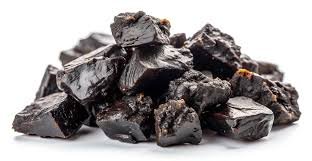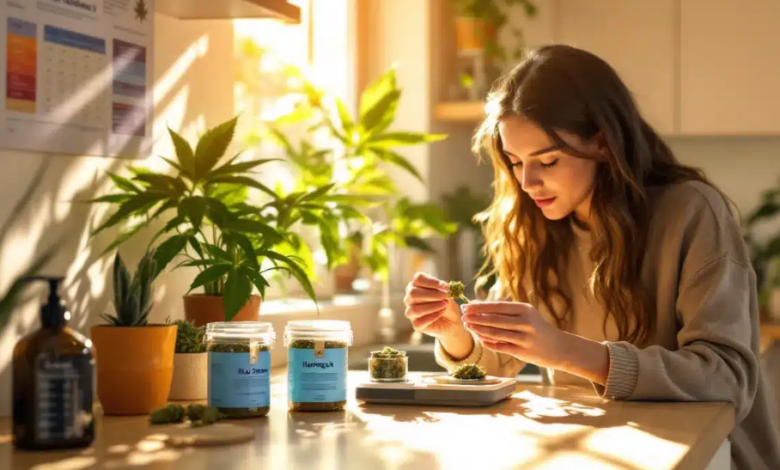
The cannabis world is evolving fast, and one compound that has gained major attention in recent years is THCA, or tetrahydrocannabinolic acid. While most people are familiar with THC—the cannabinoid known for its psychoactive effects—THCA is quite different. Found in raw and unheated cannabis, THCA is non-psychoactive, meaning it doesn’t produce a “high.” Yet, it offers a wide range of potential wellness benefits backed by early scientific research and user experiences.
If you’re new to the world of THCA, this beginner-friendly guide breaks down what it is, how it works, how people use it, and what safety considerations you should keep in mind.
What Is THCA?
THCA is the natural acidic form of THC that exists in fresh cannabis plants. It only turns into THC when exposed to heat through a process called decarboxylation. This means raw cannabis or products made without heat retain high THCA levels but do not produce intoxicating effects.
Key Benefits of THCA
Although research is still emerging, THCA shows promising therapeutic potential. Here are some of its most talked-about benefits:
1. Anti-Inflammatory Relief
THCA may help reduce inflammation linked to arthritis, autoimmune disorders, and muscle pain. Many users report improved mobility and reduced discomfort.
2. Neuroprotective Properties
Early studies suggest THCA may help protect brain cells, potentially supporting conditions like Alzheimer’s, Parkinson’s, and other neurological disorders.
3. Anti-Nausea Support
THCA has shown potential in reducing nausea and vomiting, especially for individuals undergoing chemotherapy or experiencing appetite loss.
4. Pain Reduction
Like other cannabinoids, THCA may help alleviate chronic pain through its interaction with the endocannabinoid system and anti-inflammatory effects.
5. Antioxidant Power
Its strong antioxidant properties help fight free radicals, supporting cell health and reducing oxidative stress.
How People Use THCA
Depending on personal preferences and wellness goals, THCA can be consumed in various ways:
Raw Cannabis Consumption
Some people add fresh cannabis leaves or buds to smoothies, salads, or juices to absorb THCA without activating THC.
THCA Tinctures
These liquid extracts allow for controlled dosing and are popular among beginners.
THCA Diamonds
Highly concentrated crystalline forms used mainly by advanced users. Heating them, however, converts THCA into THC.
Topicals
THCA-infused creams or balms provide localized relief for pain or skin irritation without entering the bloodstream.
Safety Guide for Beginners
Even though THCA is non-intoxicating, beginners should keep a few safety tips in mind:
Start Slow
- Begin with low doses to understand how your body responds.
- Avoid Heat If You Want to Stay Non-Psychoactive
- Heating THCA transforms it into THC, which can cause intoxication. Keep products raw if you want to avoid a high.
Buy From Trusted Brands
Always choose lab-tested products to ensure purity, accurate potency, and safety.
Consult a Professional
If you have medical conditions or take medications, speak with a healthcare provider familiar with cannabinoids.
Final Thoughts
THCA is becoming a popular choice for people seeking natural wellness support without the psychoactive effects associated with THC. Its potential benefits—from anti-inflammatory relief to neuroprotection—make it worth exploring, especially in its raw or carefully extracted forms. As research expands, THCA may soon become a key player in holistic health and cannabis-based therapies.